Featured
Table of Contents
Search innovation has moved far beyond the era of matching keywords to text strings. In 2026, the primary objective of search engines is to comprehend the world through entities-- distinct, distinct things, individuals, locations, or ideas. This shift towards semantic search indicates that exposure in Seattle now depends upon how well a brand is positioned within a more comprehensive understanding graph rather than simply the number of times a particular expression appears on a page.
Understanding Entity-Based Search in 2026
Search engines now treat info as a series of connected nodes. When a user searches for specialized marketing help, the algorithm does not simply try to find those specific words. Rather, it determines the intent behind the query, the place of the user in Seattle, and the historic context of comparable searches. This procedure includes mapping the relationship in between the company and other recognized entities in WA.
Steve Morris, CEO of NEWMEDIA.COM, has noted in current industry conversations that the "identity" of a brand name in the eyes of an AI is its most important asset. If an AI can not validate that a company is a real entity with particular qualities-- such as a physical existence in Dallas, Atlanta, or Seattle-- it is unlikely to advise that organization in generative search results page. More companies now focus on AI Search Ranking as part of their long-lasting development strategy to ensure these entity connections are clear and reliable.
The Function of Semantic Triples
In the 2026 search environment, data is often processed in triples: subject, predicate, and things. "Organization X (Topic) provides (Predicate) digital strategy (Things)" When search engines discover constant triples across the web-- from social media profiles to news short articles in New York City or Miami-- they construct self-confidence in the entity. This confidence translates directly into higher presence in AI-generated overviews and conventional search results page alike.
Material intelligence includes identifying which triples are most pertinent to a particular market. By examining how competitors in Seattle are mentioned, organizations can discover spaces in their own entity profiles. If a competitor is often connected with "sustainability" or "high-end design," and those are valued attributes in the knowledge graph, a brand should actively work to establish those same semantic links through its material technique.
Material Intelligence and the RankOS Platform
Data-driven decision-making has ended up being the standard for maintaining search prominence. Platforms like RankOS have altered how companies monitor their existence by moving far from simple rank tracking. Instead, these systems analyze "search share of design"-- the frequency and belief with which an AI model mentions a brand when asked about marketing solutions in Seattle.
This kind of intelligence permits a more granular method to material production. Instead of guessing which topics might carry out well, brand names can see which entities are currently trending in the understanding graph for WA. If there is a rise in interest relating to ecommerce combination in LA or Chicago, the platform determines the related entities-- such as particular software application, logistics suppliers, or regulatory bodies-- that should be discussed together with the main service to build topical authority.
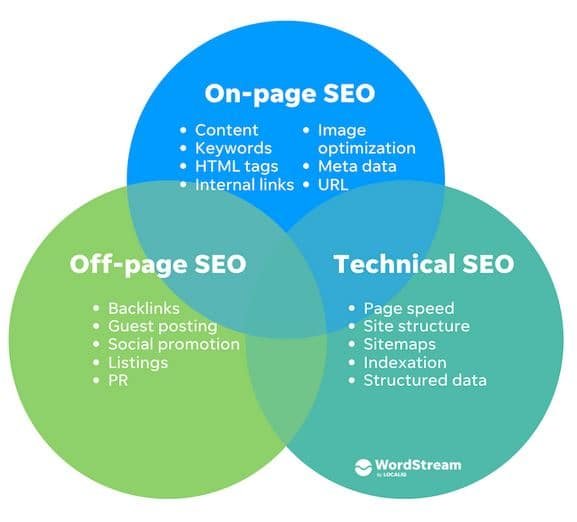
Innovative RankOS Technology Platforms stays a main motorist of natural traffic in competitive markets where basic keyword optimization no longer yields outcomes. Success in 2026 requires a deep understanding of how these different data points intersect to form a cohesive brand name story that AI search engines can easily digest and categorize.
AI Search Optimization (AEO) and GEO
The rise of Generative Engine Optimization (GEO) has actually introduced new requirements for content structure. AI models prefer info that is provided in such a way that is simple to sum up and cite. This implies using clear headings, structured information, and succinct answers to typical questions. When a user in Seattle asks an AI for the most reliable provider of professional digital work, the AI tries to find "attestation"-- evidence from numerous sources that confirms the organization is a leader in that field.

Strategy in 2026 involves more than simply composing post. It requires a presence throughout numerous platforms where AI models train, including market forums, scholastic papers, and major news outlets. Steve Morris has actually highlighted that being included in high-authority publications acts as a signal of trust that AI designs use to weight their recommendations. This is particularly real for companies operating in major centers like Nashville or Seattle, where the volume of contending data is high.
Building Topical Authority in Seattle
Topical authority is the measure of a brand's knowledge throughout an entire topic. To achieve this, material must cover the main service and all related sub-topics. For a business providing technical marketing, this may include detailed guides on information personal privacy, user experience, and the specific financial elements affecting the local economy.
Browse engines utilize these clusters of information to figure out if a website is a definitive source. If a website just has one page about a topic, it is viewed as a "thin" entity. However, if it has a deep library of interconnected content that referrals other known entities-- such as regional landmarks in Seattle or well-known industry figures-- it becomes a high-confidence node. Many brand names discover success by focusing on RankOS Technology for Trusted Firms to capture particular user intent and build this essential depth.
- Structured Data: Carrying out schema markup that clearly defines the relationship in between the organization and its services.
- Entity Refresh: Frequently upgrading content to show brand-new developments in the industry to show the entity is active.
- Belief Tracking: Guaranteeing that mentions of the brand throughout the web are positive, as AI designs think about sentiment when ranking entities.
- Location Uniqueness: Linking the brand name to regional events, organizations, and news in Seattle to strengthen geographical relevance.
The Significance of Multimedia Entities
By 2026, search is no longer text-only. Images, videos, and even audio files are treated as entities. A picture of a store in Seattle or a video of a CEO speaking at a conference in Denver or Dallas is indexed and linked to the brand's knowledge graph. Optimizing these properties involves more than just alt-text; it requires clear context so that AI can "see" the relationship between the visual and the service.
For instance, a video showing a new marketing tool must be hosted on a page that provides a records and utilizes schema to link the video to the specific service entity. This makes sure that when a user carries out a visual search or asks a conversational AI for a presentation, the brand's assets are the ones picked. The objective is to develop a multi-dimensional presence that leaves no doubt about the brand name's know-how in WA.
The Future of Material Strategy
As online search engine end up being more conversational, the way material is composed must adjust. Users in 2026 often communicate with explore voice or chat, asking complicated questions instead of typing short expressions. This shift favors content that is composed in a natural, authoritative tone. Prevent lingo that does not add to the entity's clarity. Instead, concentrate on supplying direct worth that addresses the "why" and "how" behind digital trends.
Data from RankOS recommends that the most successful brand names are those that treat their website as a living part of the knowledge chart. They do not simply publish material and leave it. They keep an eye on how their entity is being viewed in real-time and change their technique to combat false information or to capitalize on brand-new semantic connections. This proactive method is vital for remaining ahead in a search environment that is constantly being recalculated by AI.
The digital company environment has actually changed as well. Firms that as soon as focused entirely on backlinks now concentrate on "entity citations" and "trust signals." Operating from workplaces in LA, Miami, NYC, and Seattle, agencies are now entrusted with handling the whole digital footprint of a brand to ensure consistency. This includes everything from social networks sentiment to the precision of organization listings in the United States.
Maintaining a strong entity presence is a continuous process. As brand-new services emerge and customer behavior shifts in Seattle, the knowledge graph will evolve. Brand names that remain notified about these modifications and use innovative tools to monitor their exposure will be the ones that prosper. The focus remains on clearness, authority, and the strength of the connections in between business and the world around it.

Latest Posts
Comparing Traditional and Digital PR Models
The Role of Reputation Management in Digital Growth
Best Media Relations Practices for Success